Anchor Bolts: Types, Uses, and Buying Guide for 2025
Anchor bolts are the unsung heroes of construction, providing critical structural stability by connecting materials to concrete foundations. As we advance into 2025, innovations in materials and design are making these fasteners more reliable than ever. Whether you’re securing a skyscraper or installing industrial machinery, choosing the right anchor bolt is non-negotiable for safety and longevity. In this guide, we’ll break down the latest types, applications, and buying tips—plus why Infrakeys Technologies stands out as your go-to supplier for Anchor Bolts, concrete anchor bolts, and wedge anchor bolts.
What Are Anchor Bolts?
Anchor bolts are specialized fasteners designed to attach structural or non-structural elements to concrete. They transfer loads (like tension, shear, or vibration) from the connected object to the concrete base, ensuring stability under stress. Commonly made from carbon steel or stainless steel, they’re engineered to resist corrosion, heavy loads, and environmental wear. Without them, buildings, machinery, and infrastructure would lack the foundational security modern construction demands.
8 Key Types of Anchor Bolts for 2025
1. Cast-in-Place Anchor Bolts
Embedded directly into wet concrete, these bolts offer unmatched strength. The embedded end often includes a plate or corkscrew design for enhanced grip, while the exposed end connects to steel structures. Ideal for:
-
Heavy machinery anchoring
-
Building-to-foundation connections
-
High-load environments like power plants.
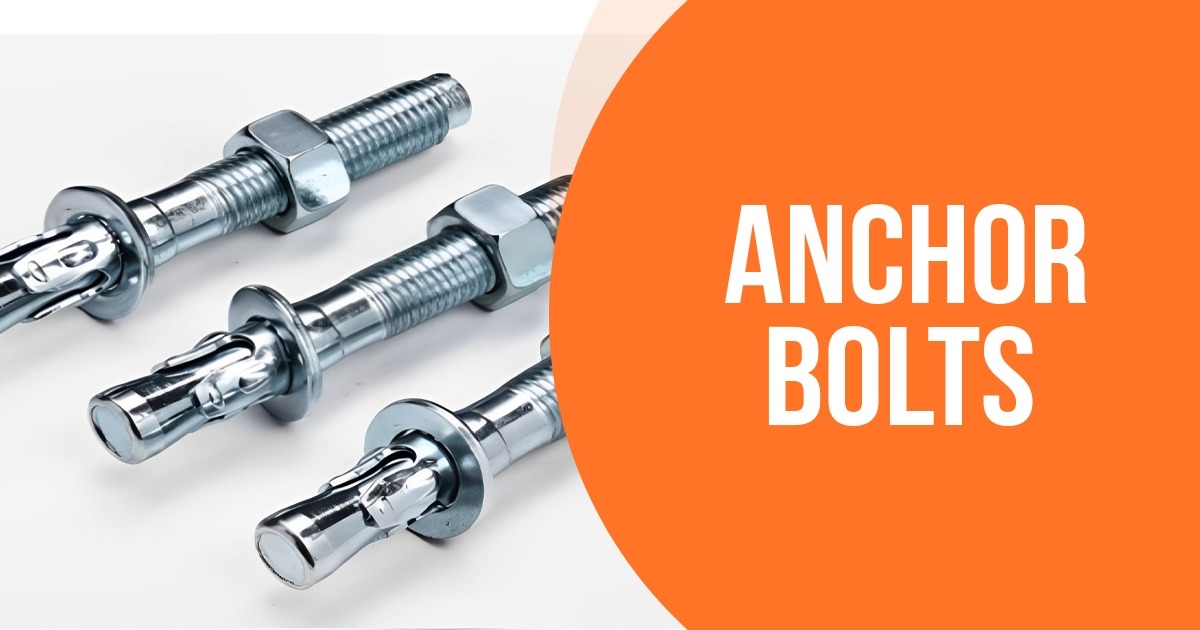
2. Wedge Anchor Bolts
Featuring a slotted sleeve and tapered wedge, these expand when tightened, creating a rock-solid hold in concrete. Perfect for:
-
Industrial equipment
-
Fence posts, signage, and railings
-
Cracked concrete applications.
3. Sleeve Anchors
Similar to wedge anchors but with an outer sleeve that expands against concrete or masonry. Key uses:
-
Brick or masonry walls
-
Ductwork and piping
-
Moderate-to-heavy load support.
4. Expansion Anchors
Rely on friction from expansion within pre-drilled holes. Advantages include:
-
Easy installation
-
Versatility in concrete/masonry
-
Cost-effectiveness for structural bracing.
5. Chemical (Adhesive) Anchors
Use epoxy resin injected into holes to bond bolts to concrete. Benefits:
-
Extreme load capacity
-
Resistance to vibrations
-
Suitability for cracked concrete and seismic zones.
6. Concrete Screws
Self-tapping screws that cut threads directly into concrete. Best for:
-
Light-to-moderate loads (e.g., shelving)
-
Quick installations or temporary setups
-
Edge-of-concrete applications.
7. Bent-Bar Anchors (J or L-Type)
Bent ends provide mechanical interlock in concrete. Commonly used for:
-
Column bases
-
Structural beams
-
High-stress retrofits.
8. Eye Foundation Bolts
Feature an eyelet for attaching cables or rods. Applications include:
-
Bridge cables
-
Tensioning systems
-
HVAC or utility mounting.
Critical Applications of Anchor Bolts
Anchor bolts are indispensable across industries:
-
Building Construction: Securing steel columns, walls, and base plates to foundations.
-
Machinery & Equipment: Preventing movement in industrial generators, motors, or presses.
-
Infrastructure: Stabilizing bridges, guardrails, and communication towers.
-
Outdoor Installations: Anchoring light poles, signage, or bike racks against weather.
-
Seismic Safety: Reinforcing structures in earthquake-prone areas.
Buying Guide for 2025: 5 Must-Consider Factors
-
Material & Corrosion Resistance
-
Carbon steel: Economical for indoor use.
-
Stainless steel: Essential for outdoor, marine, or chemical-exposed environments.
-
-
Load Capacity
-
Match bolt diameter/length to load requirements (e.g., M12 bolts handle ~2,000 kg tension).
-
For heavy machinery, prioritize wedge or chemical anchors.
-
-
Concrete Conditions
-
Cracked concrete: Use wedge, sleeve, or chemical anchors.
-
Edge proximity: Concrete screws minimize splitting risk.
-
-
Compliance & Certification
-
Ensure bolts meet ISO 9001 or ASTM standards.
-
Fire-rated options for HVAC/ductwork.
-
-
Supplier Reliability
-
Choose manufacturers like Infrakeys Technologies for:
-
Batch consistency
-
Technical support
-
Fast delivery of concrete bolts and wedge anchor bolts.
-
-
Why Partner with Infrakeys Technologies?
As a leading supplier of Anchor Bolts and concrete anchor bolts, Infrakeys Technologies combines quality with innovation:
-
Product Range: From wedge anchor bolts to seismic-ready chemical anchors.
-
Custom Solutions: Tailored dimensions and materials (e.g., stainless steel for coastal projects).
-
Speed & Assurance: Fast delivery and ISO-compliant manufacturing.
Their expertise ensures you get bolts optimized for your project’s demands—whether it’s a high-rise or a factory floor.
Conclusion: Building Smarter in 2025
Anchor bolts are evolving to meet tomorrow’s challenges—higher loads, harsher environments, and stricter safety standards. By understanding the types and applications outlined here, you’re equipped to make informed decisions. Remember: the right bolt isn’t just a fastener; it’s the bedrock of structural integrity. For reliability and innovation, trust suppliers like Infrakeys Technologies to deliver solutions that stand the test of time. Ready to secure your next project? Invest in anchor bolts engineered for the future.