Lump of coal: Trump’s efforts to revive industry in question
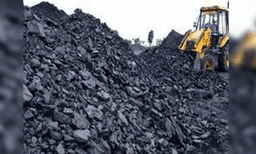
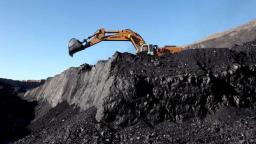
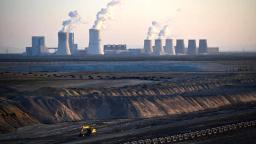
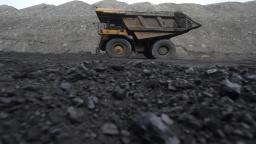
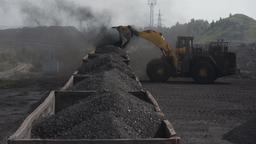
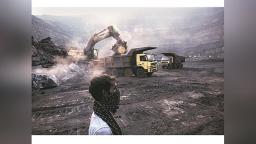
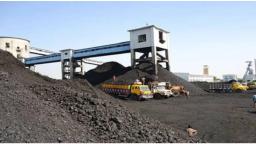
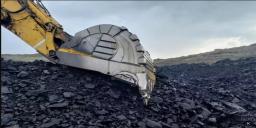
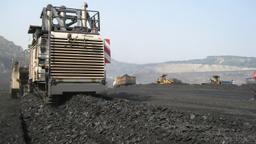
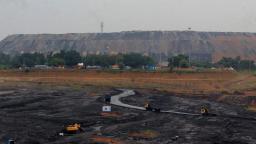
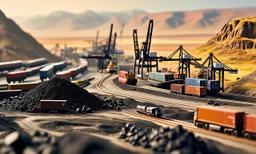
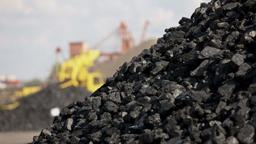
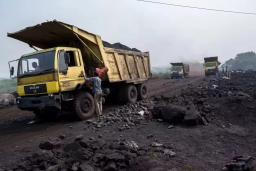
Mine owner Signal Peak Energy sits atop a billion-ton reserve of coal in the Bull Mountains, not far from where Thiele lives. The mine has long seemed poised to benefit from President Donald Trump’s pledges to revive the faltering coal industry — vows the president has renewed vigorously in his second term with new orders to deregulate mining. A Republican tax cut bill making its way through Congress contains a special carve-out provision allowing the mine to expand.
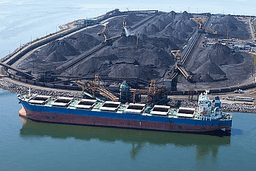
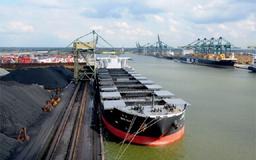
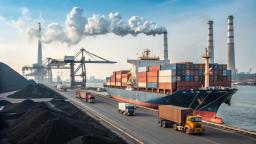
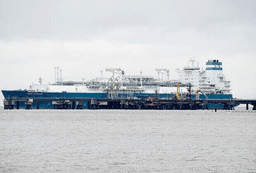
But Thiele and his neighbors see a glimmer of hope in another Trump initiative, his “America first” approach to global trade. The Signal Peak mine sends 98% of the minerals it unearths to Japan and South Korea. If tariffs spark a trade war, they think it could inadvertently scuttle the mine’s expansion plans — an effort their legal challenges have so far only managed to slow.
In effect, an escalating trade war could undermine Trump’s goal of saving coal.
“As long as they’ve got somebody to buy it, they’ll keep mining,” said Thiele. “But a reaction could conceivably come from Japan and South Korea saying, ‘Well, if you’re going to tariff our shipbuilding or our products, fine, we’re not buying your damn coal.'”
The view from western coal country
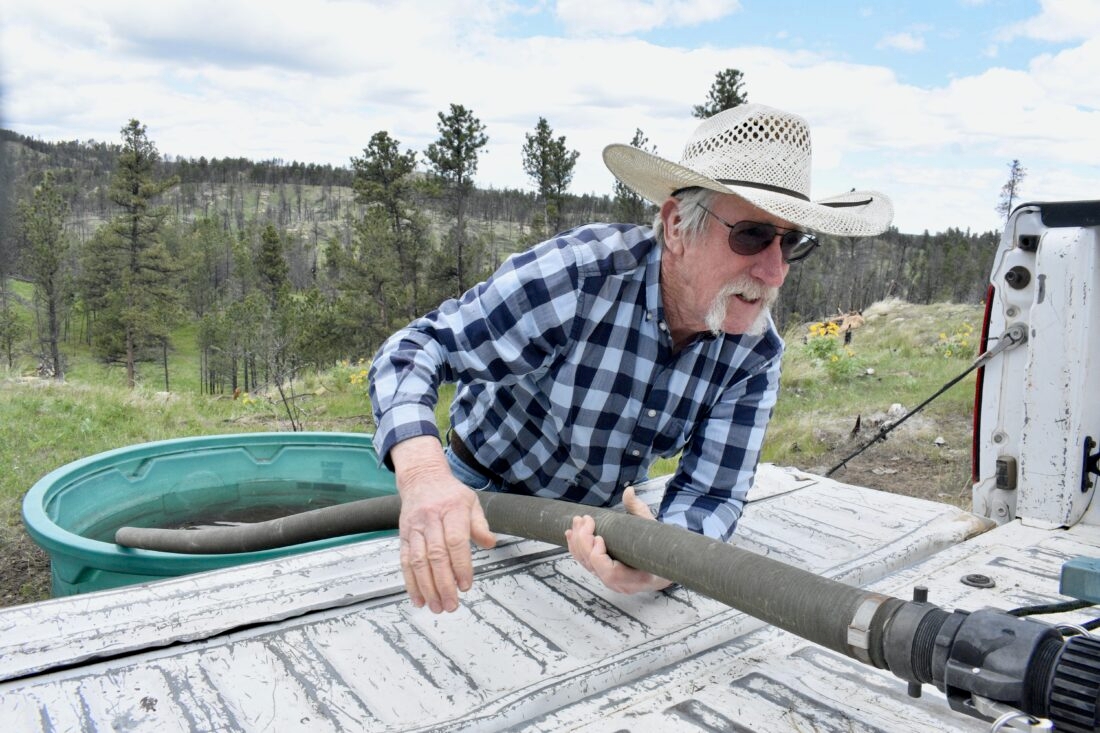
Thiele, 77, assessed the situation as he stood atop a hillside charred by a wildfire. The former Army Ranger who served two combat tours in Vietnam took in a commanding view of the valley below, where his small herd of cattle grazed.
He’s a political outlier in rural Musselshell County, Montana, where mining has been a bedrock of the economy for more than a century. It stands to benefit more than most places from Trump’s efforts, which for the most part have only slowed coal’s demise.
Eighty-five percent of Musselshell voters backed Trump in the 2024 presidential election. They viewed his victory as a reprieve from former President Joe Biden’s anti-coal policies, said Musselshell County Commission Chairman Robert Pancratz.
But worries tariffs could undermine coal’s comeback aren’t confined to Trump’s opponents.
“We’re thrilled that he’s for coal,” Pancratz said, “and I believe in principle what he is trying to do with the tariffs is to make for more equitable trade.”
“But there may be some fall-out, you know, unintended consequences of all these things.”
Many fear the impact a trade war could have on the local economy. Experts say that’s a legitimate worry.
Coal analyst Seth Feaster said the implications for Signal Peak and other U.S. miners could cut two ways: Countries that don’t reach a deal on tariffs could retaliate against U.S. exports, reducing demand for its coal. Or countries like South Korea and Japan could be willing to use energy supplies as leverage to reach an agreement, cementing their status as markets for western coal.
“It’s pretty clear the administration is very coal-forward and will use energy as a negotiating tool in whatever trade agreements it’s trying to establish,” Feaster said.
The art of the deal?
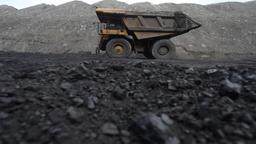
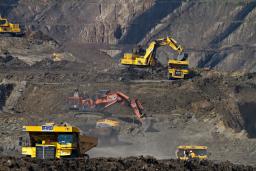
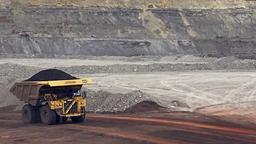
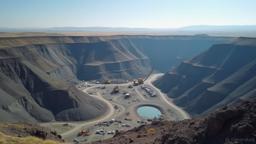
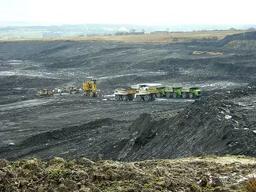
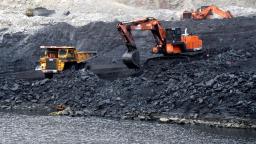
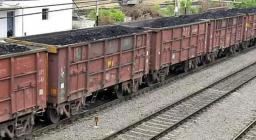
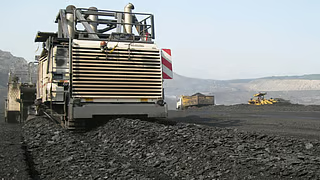
The bulk of U.S coal mined to use as power plant fuel comes from a handful of huge pit mines in the Powder River Basin of northeastern Wyoming and southeastern Montana. Wyoming Gov. Mark Gordon, a Republican, pitched the state’s coal on a recent trade trip to Japan and Taiwan.
“It’s probably a bit of a long shot, but if we don’t try, there won’t be any opportunity at all. And I do think that both countries have come to the realization that they can’t be 100% renewable,” Gordon said.
Signal Peak has almost 300 workers, making it a major employer in the region. Taxes and other payments by the company account for about a third of Musselshell County’s revenue.
Several years ago, the mine was the subject of a broad corruption investigation that led to convictions of former mine employees and associates for embezzlement, tax evasion, bank fraud, money laundering, drug trafficking and firearms violations. In 2021, the company pleaded guilty to violating environmental and employee safety regulations under an agreement with federal prosecutors that included a $1 million fine.
Signal Peak CEO Parker Phipps was asked about the mine’s criminal record by Rep. Yassamin Ansari during a congressional hearing last week.
“This is the kind of company that Republicans want to sell off our federal lands to without proper review, especially of the climate impacts,” said the Arizona Democrat. “Frankly, I think that’s a disgrace.”
Phipps said the investigations were before his time and that the company ultimately cooperated with authorities. The coal executive warned the company could “begin winding operations down” at the end of 2025 unless the expansion is approved.
Montana Republican Rep. Troy Downing, who sponsored the House provision to allow the mine to expand, acknowledged during an interview that the uncertainty surrounding tariffs causes “discomfort.”
“It really comes down to, forgive me for saying this, the art of the deal,” Downing said, referring to Trump’s book touting his business acumen. “Look at what President Trump has been doing in actually getting trading partners to the table.”
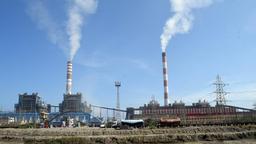
Global coal production reached an all-time high last year, approaching roughly 10 billion tons and dampening international efforts to curb emissions from burning a fuel that scientists say is a major contributor to global warming. Much of that growth was driven by Asia, where new coal plants keep springing up to power expanding economies.
Originally published on ALTOONA MIRROR