How to Choose the Best Purlins for Your Steel Roofing System
When constructing or renovating a building with a steel roof, selecting the right purlins is crucial for structural integrity, durability, and cost-efficiency. Purlins act as the horizontal support beams that hold the roof decking or sheeting in place and distribute loads evenly across the frame. But with different types like C purlins and Z purlins, varying sizes, and materials, how do you decide which purlins are best suited for your project?
In this comprehensive guide, we will explore everything you need to know about purlins, including their types, sizes, and the benefits of using quality steel purlins from trusted suppliers like Infrakeys Technologies. Whether you are a contractor, builder, or homeowner, understanding these factors will help you make a confident decision for your roofing needs.
Understanding Purlins and Their Role in Steel Roofing
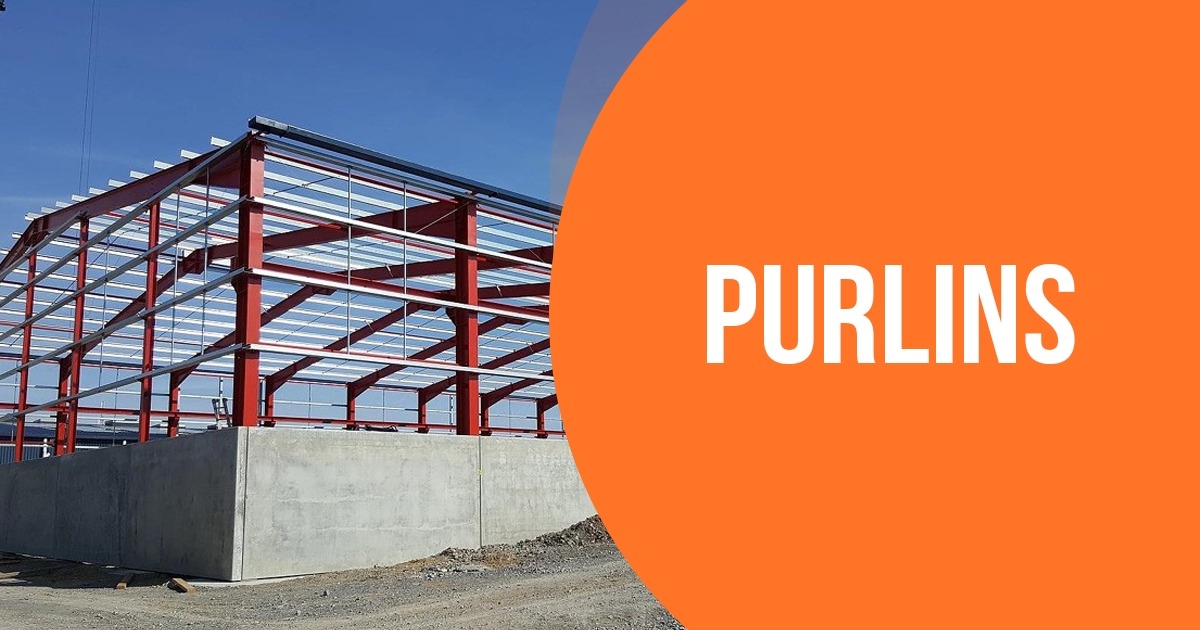
Purlins are horizontal structural members installed between the main rafters or steel trusses of a roof. Their primary role is to support the roof covering, such as metal sheets or tiles, and transfer the roof loads safely to the building’s primary structural frame.
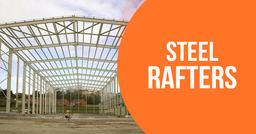
Unlike rafters, which span from ridge to eaves, purlins span across the rafters to provide intermediate support, reducing the rafter span and increasing the overall stability of the roof structure. This design improves load distribution, preventing sagging or failure over time.
Types of Purlins: C Purlins and Z Purlins
Two main types of steel purlins dominate the construction industry:
-
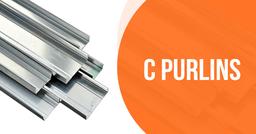
C Purlins: These have a “C” shaped cross-section and are widely used due to their ease of installation and cost-effectiveness. They provide solid support for roofing and wall cladding and are ideal for shorter spans or lighter roofing materials. Their shape makes them easy to bolt and fix into position, making them popular for many industrial and residential projects.
-
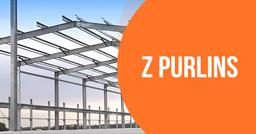
Z Purlins: Shaped like the letter “Z,” these purlins are designed to overlap at joints, allowing for continuous spans and increased strength. Z purlins are especially useful in longer roof spans where added flexibility and rigidity are needed. The overlapping joint helps distribute loads better and reduces material waste. They are typically used in larger commercial or industrial buildings requiring heavier load support.
Why Choose Steel Purlins Over Other Materials?
Steel purlins offer several advantages compared to wood or concrete:
-
Strength and Durability: Steel withstands high loads, resists warping, cracking, and splitting that often affect wooden purlins.
-
Corrosion Resistance: Galvanized steel purlins are coated to protect against rust and weather damage, ideal for humid or coastal areas.
-
Lightweight: Steel’s strength-to-weight ratio allows for easier handling and installation without sacrificing structural capacity.
-
Fire Resistance: Unlike timber, steel doesn’t burn, improving building safety.
-
Sustainability: Steel is recyclable and has a longer service life, making it an eco-friendly choice.
Key Factors to Consider When Choosing Purlins
-
Purlin Size and Thickness
The size of the purlin affects its load-bearing capacity. Typical widths range from 50 mm to 300 mm, and thickness can vary depending on design requirements. Thicker and deeper purlins are used for heavier roofs or longer spans. -
Span and Spacing
The span between supports and the spacing of purlins depends on the roof load and material. Closer spacing supports heavier materials but may increase costs. -
Material Grade
High-grade galvanized steel purlins provide excellent strength and corrosion resistance. Cold-formed steel purlins are lightweight and suitable for prefabricated structures. -
Compatibility with Roofing Materials
Ensure your chosen purlins match the roofing sheets or tiles in terms of fixing methods and load requirements.
How Infrakeys Technologies Can Help You Choose the Right Purlins
Partnering with an experienced supplier like Infrakeys Technologies guarantees access to high-quality steel purlins tailored to your specific project. Their offerings include:
-
Customizable sizes and shapes (C purlins, Z purlins) for optimal fit.
-
Steel purlins manufactured to meet industry and building code standards.
-
Expert consultation on purlin selection, installation, and maintenance.
-
Reliable delivery ensuring timely project completion.
Their advanced engineering and quality control help builders and homeowners achieve safe, durable, and cost-effective roofing solutions.
Purlins vs Other Roof Support Systems
|
Feature |
Steel Purlins |
Wooden Purlins |
Concrete Beams |
|
Strength |
High load capacity |
Lower, susceptible to rot |
Very strong, heavy |
|
Durability |
Corrosion-resistant |
Prone to pests, decay |
Long-lasting but heavy |
|
Maintenance |
Minimal |
Frequent inspections |
Low but requires expertise |
|
Cost |
Moderate to high upfront |
Lower initial cost |
High initial and installation cost |
|
Installation Ease |
Fast and precise |
Labour-intensive |
Heavy equipment needed |
Final Tips for Choosing the Best Purlins
-
Consult a structural engineer to evaluate load requirements.
-
Always check for local building regulations and standards.
-
Choose reputable suppliers like Infrakeys Technologies who offer certified steel products.
-
Plan for future roof load additions, such as solar panels or HVAC units.
Conclusion
Selecting the right purlins is essential for a stable, long-lasting steel roof. By understanding types like C purlins and Z purlins, material choices, and proper sizing, you ensure your building can withstand various loads safely. Trusting suppliers like Infrakeys Technologies not only gives you quality steel products but also expert guidance that makes your project efficient and reliable.
.jpeg&w=256&q=75)

.jpeg&w=256&q=75)
.jpeg&w=256&q=75)
.jpeg&w=256&q=75)
.jpeg&w=256&q=75)
.jpeg&w=256&q=75)
.jpeg&w=256&q=75)
.jpeg&w=256&q=75)


.JPG&w=256&q=75)