Capesize owners score as Brazilian iron ore exports climb
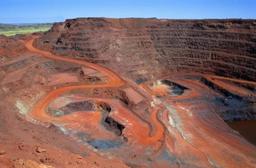
Brazil is second only to Australia in iron ore exports but still accounts for close to a quarter of global shipments. This year, its exports are expected to rise by 4%.
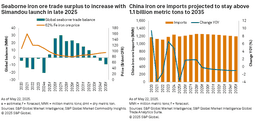
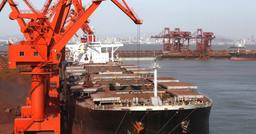
China is the world’s largest iron ore market by far, consuming 73% of the world’s production. East Asian countries take another 11% and the long haul from Brazil drives demand for big bulkers with a major impact on tonne-miles.
According to Filipe Gouveia, Shipping Analysis Manager at Bimco, 89% of the world’s iron ore cargoes are shipped on Capesize vessels. But the figure rises to 97% for cargoes from Brazil where exports have compensated for falling volumes elsewhere.
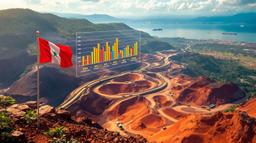
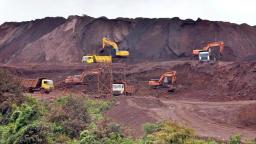
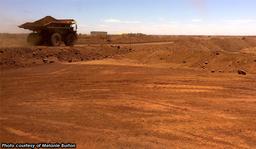
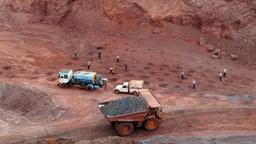
Exports have declined this year from producers in Australia, Peru and India. Australian production was affected by mining disruption from bad weather between January and May. Peru exports fell as a result of port handling disruption in May and June, and Indian export volumes dropped owing to price competition and stronger domestic demand, the Bimco analyst said.
“The increase in iron ore shipments out of Brazil has positively impacted tonne-mile demand, especially for the capesize segment,” Gouveia declared. “Brazilian cargoes sail on average nearly three times the distances of Australian cargoes and nearly twice the global average distance, keeping ships at sea for longer.”
However, looking to the future, falling iron ore demand in China, down this year as a result of declining domestic steel production, is set to continue. Although an 11% increase in steel exports has offset declining volumes to some extent, China’s property sector is weak, with more than 400 million square metres of excess real estate inventory.
But there are potentially positive signs too, Gouveia noted. Although the OECD expects Chinese steel demand to continue falling and economic activity there to slow down, the global iron ore sector could be boosted by developments elsewhere.
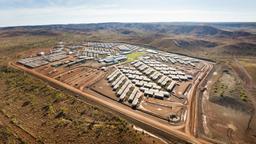
“Positive developments may still emerge for iron ore shipments, mitigating these losses,” he revealed. “The start of operations in the Simandou mine in Guinea is expected to boost global supply and lengthen average sailing distances from November 2025. This may pressure iron ore prices and encourage China to increase imports over domestically mined ore.”
Originally published on Sea trade

![Metals Rise Across the Board, with SHFE Nickel Up Nearly 2%; Stainless Steel, SHFE Lead, and SHFE Aluminum Lead Gains; Iron Ore Up Over 2% [SMM Midday Review]](/_next/image?url=https%3A%2F%2Fapi.infrakeys.com%2Fpublic%2Fimages%2F1747029799473_news_36.webp&w=256&q=75)








.webp&w=256&q=75)
.jpg&w=256&q=75)






.webp&w=256&q=75)