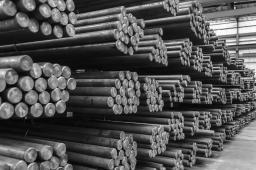
U.S. Steel Tariffs: What is the impact on iron ore?
While the Canadian Steel Association warned the move could “create mass disruption and negative consequences across the highly integrated steel supply chains,” iron ore prices have remained relatively stable so far, supported by tight market fundamentals.
In a Tuesday note, UBS analysts said that while U.S. steel imports have dipped only about 3% year-to-date through April, domestic producers are operating at around 78% utilization.
The higher tariffs could push U.S. hot-rolled coil prices toward $1,000 per short ton from current spot levels near $840, potentially incentivizing increased domestic production and capacity restarts.
However, the analysts highlight a broader concern. “We see this escalation in trade tensions (with potential retaliatory measures) as a negative for global growth/iron ore demand," they said in the note.
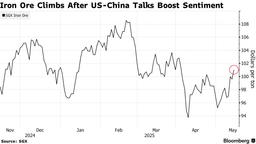
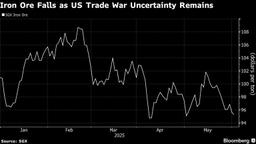
Despite these macro risks, iron ore markets have been resilient. Spot prices are holding around $96 per tonne, underpinned by low port inventories in China and steady steel exports.
UBS points out that “the iron ore price has held up at ~$100/t… despite macro concerns,” with supply from traditional exporters starting to recover in late May after a sluggish start to the year.
The analysts see China’s role as pivotal. Finished steel exports from the country are at record levels, exceeding 100 million tonnes so far in 2025. This has helped offset a moderation in domestic steel production and supports continued demand for iron ore, even as port and trader inventories remain seasonally low.
The bank notes that the ultimate impact on the iron ore industry will depend largely on “the resilience of China’s steel demand/exports.”
Additional support for the market has come from the rebound in weekly iron ore shipments. UBS data shows that exports from Brazil reached 9.6 million tonnes in the final week of May, marking the strongest weekly figure year-to-date. Australian shipments also improved, helping stabilize overall supply after softer volumes earlier in the year.
Originally published on INVESTING.COM

![Metals Rise Across the Board, with SHFE Nickel Up Nearly 2%; Stainless Steel, SHFE Lead, and SHFE Aluminum Lead Gains; Iron Ore Up Over 2% [SMM Midday Review]](/_next/image?url=https%3A%2F%2Fapi.infrakeys.com%2Fpublic%2Fimages%2F1747029799473_news_36.webp&w=256&q=75)
















.webp&w=256&q=75)

.jpg&w=256&q=75)







.webp&w=256&q=75)