Europe goes protectionist to save its steel
That sentiment appears to encapsulate the European Union’s reasoning for its new protectionist measures targeting foreign steel — a move that marks a sharp break from the free-market principles that have long defined the bloc’s trade ethos.
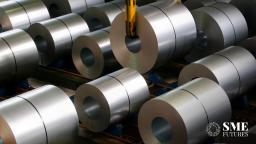
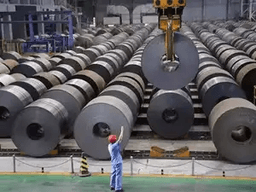
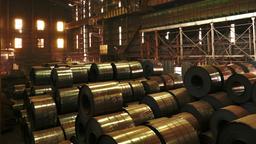
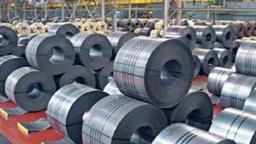
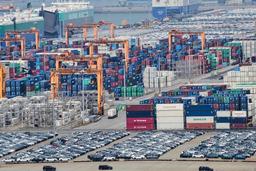
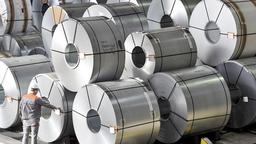
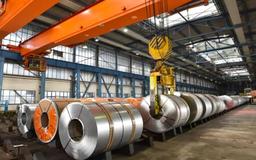
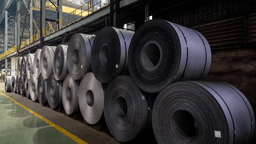
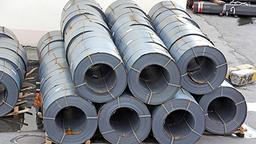
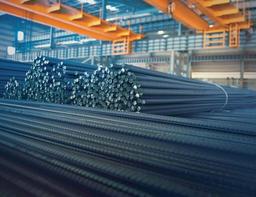
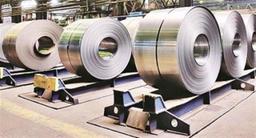
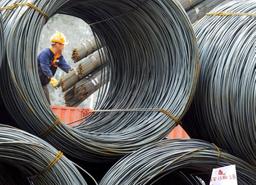
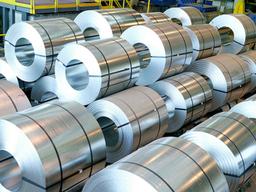
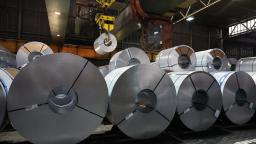
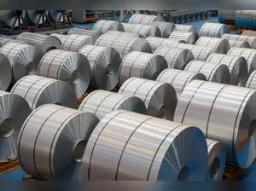
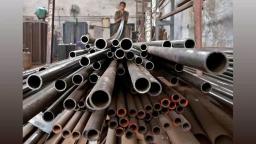
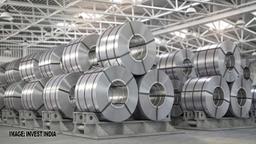
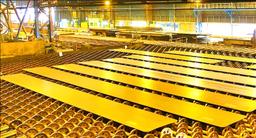
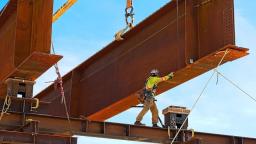
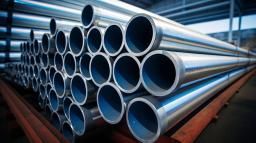
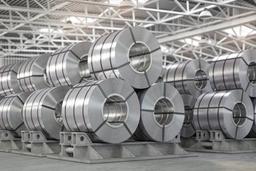
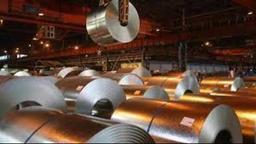
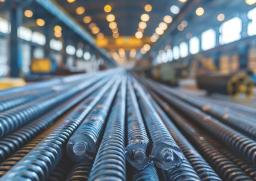
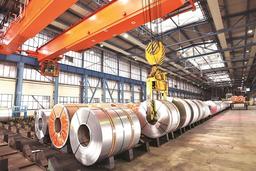
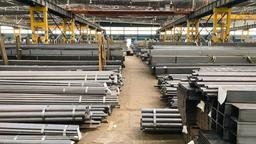
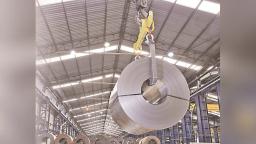
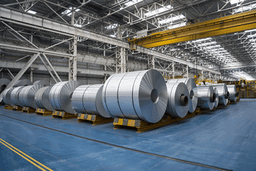
The European Commission on Tuesday announced plans to nearly halve the amount of duty-free steel imports, to 18.3 million tonnes per year, while sharply increasing levies on foreign steel falling outside of set quotas to 50%. The new regime, which is set to replace existing steel safeguards due to expire in June next year, would apply to all the bloc’s trading partners, with the exception of Iceland, Norway, Liechtenstein, and, to a certain extent, Ukraine.
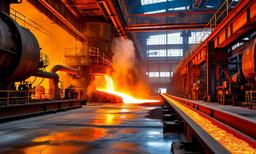
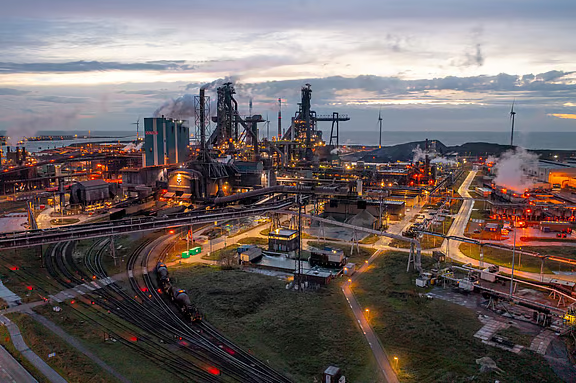
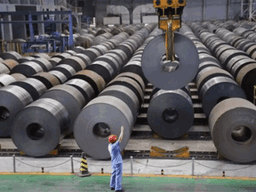
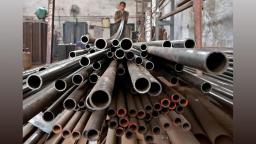
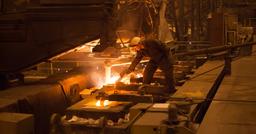
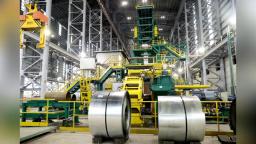
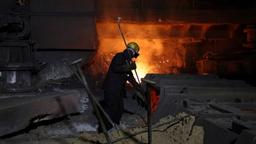
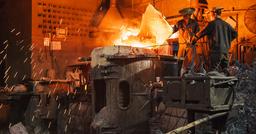
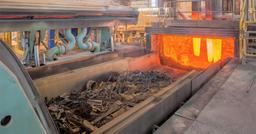
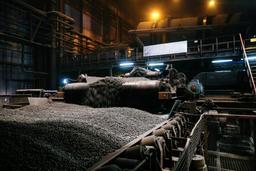
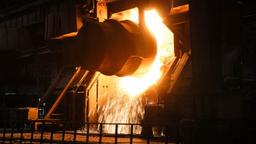
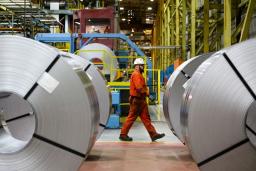
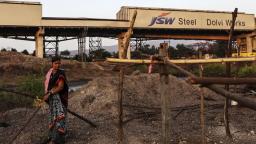
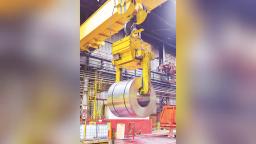
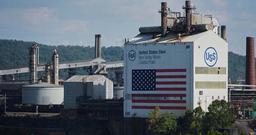
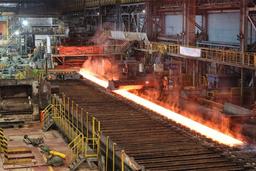
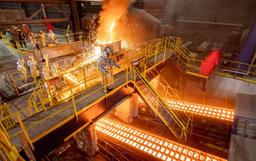
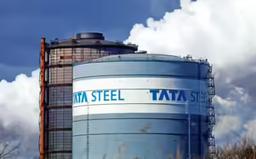
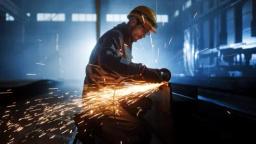
The pivot comes as the European steel industry has been crying foul over fierce competition from China and elsewhere, which, coupled with high energy prices, raw material shortages, and sluggish domestic demand, have pushed local production down from 200 million tonnes in 2007 to around 140 million tonnes in 2023, according to European steel lobby group Eurofer. As a result, the industry has shed nearly 100,000 jobs over the past 15 years.
“When every country shuts its doors, the last one open gets flooded,” Stanislav Zinchenko, who runs an independent consultancy that advises iron and steel firms, said of the EU. He called Brussels’ decision "inevitable” given rising trade barriers across the globe.
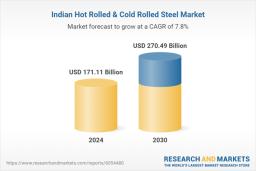
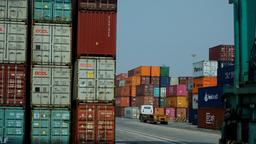
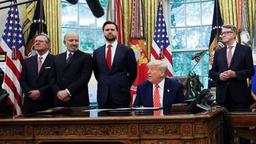
In a protectionist domino effect, accelerated by President Donald Trump since his return to office at the start of this year, major economies have been steadily tightening their trade defences over the past few months. Beyond the US, India has introduced a temporary 12% levy on Chinese imports; Canada has rolled out a quota system; and Turkey has launched a series of anti-dumping investigations.
This is not something the EU really wants to do, but political realities have compelled the Commission to put it forward,” Aslak Berg, a research fellow at the Centre for European Reform, told The Parliament.
Originally published on theparliamentmagazine






































.jpg&w=256&q=75)


























.jpg&w=256&q=75)








.png&w=256&q=75)