Steel, Sovereignty, Standards: Why Quality Control In Steel Is A National Imperative
As India accelerates its march toward industrial leadership, unwavering commitment to quality becomes the bedrock of progress. The Quality Control Order (QCO) for steel is not just a regulatory framework—it's essential for safeguarding lives, building economic resilience, and securing India’s reputation on the world stage.
The QCO brings to life the “One Nation, One Standard” vision and reinforces Article 21 of the Indian Constitution—the fundamental right to life. Today, that right extends beyond personal safety to include the reliability of our infrastructure and every material that underpins it. Whether produced at home or imported, steel in India must consistently pass uniform quality checks—transforming QCO from a policy initiative into a national safeguard.
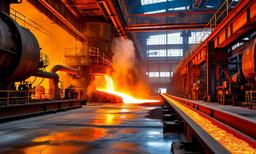
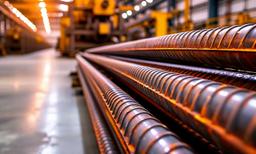
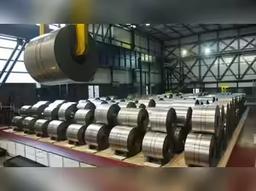
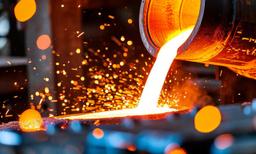
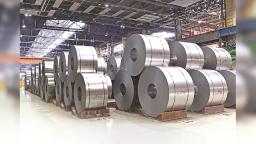
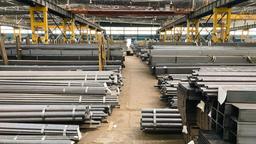
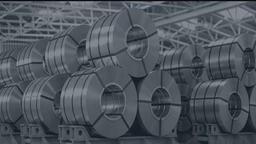
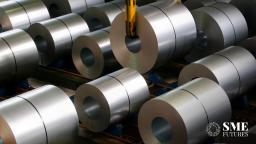
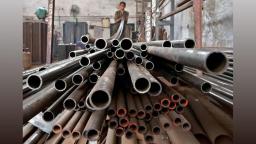
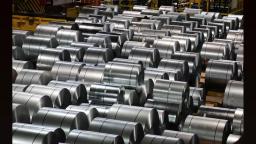
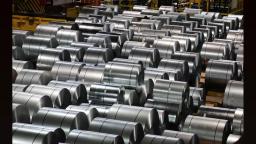
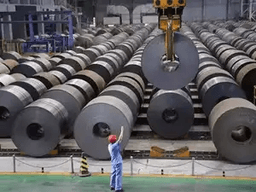
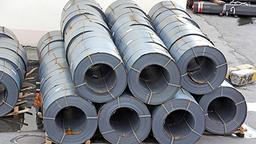
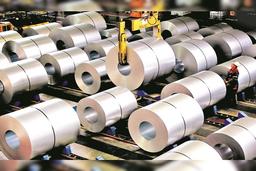
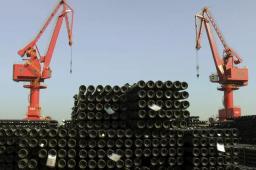
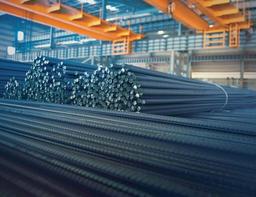
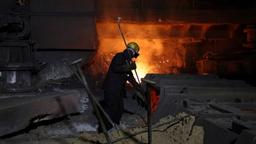
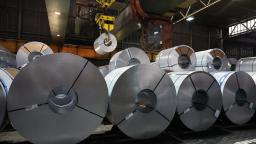
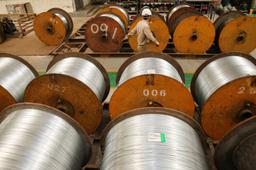
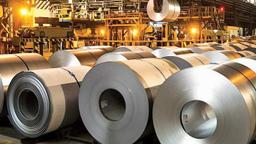
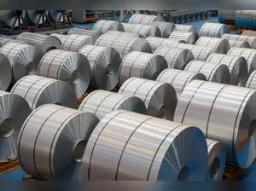
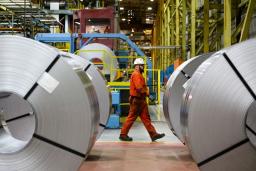
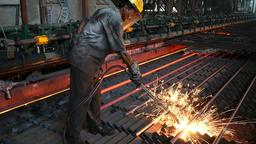
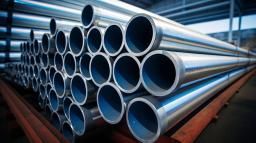
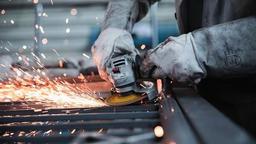
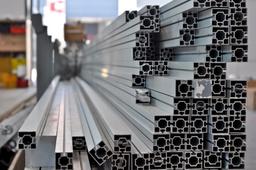
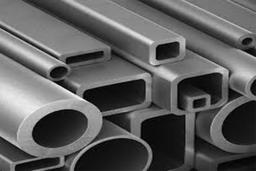
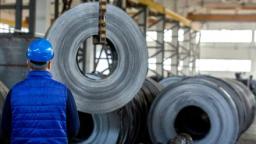
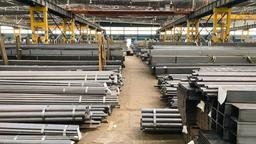
Steel is everywhere—from our bridges and buildings to our power lines, elevators, vehicles, and even food packaging. The stakes are high; a single compromised component can trigger disaster. QCO introduces a culture of prevention, embedding Zero Defect, Zero Effect (ZED) principles at every level and guaranteeing that quality failures do not jeopardise public welfare.
BIS: Setting Standards, Building Trust
India’s Bureau of Indian Standards (BIS) revises its codes regularly, syncing with global benchmarks like ISO, and drawing on expertise from industry, academia, and civil society. The ISI mark is more than a label—it is a deeply ingrained symbol of trust for millions.
QCO shuts doors on vulnerabilities such as misusing import authorisations and non-reciprocal foreign certifications. With rigorous, across-the-board BIS compliance, it protects MSMEs, shields major infrastructure, and safeguards Indian consumers from inferior imports.
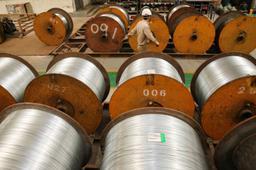
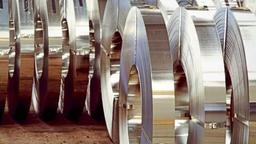
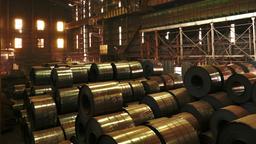
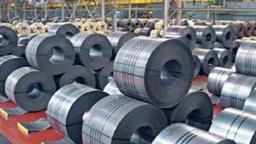
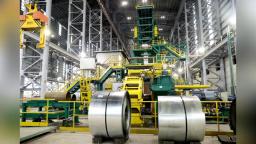
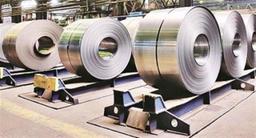
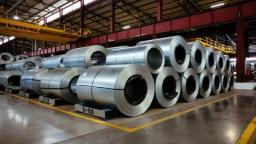
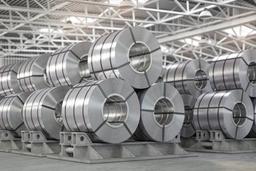
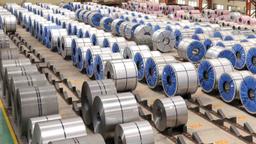
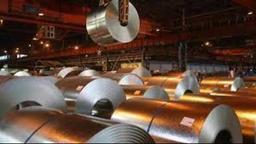
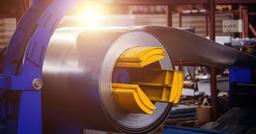
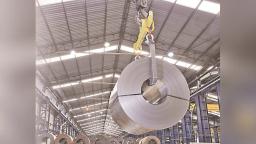
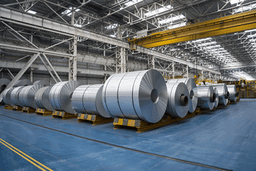
From raw material to finished structure, the reach of QCO now covers products like springs, valves, and flanges—components critical to consumer safety and national infrastructure. The Ministry of Steel’s recent directive has widened this net even further. Contrary to concerns, the move has not raised costs: since June, hot-rolled coil prices have actually dropped, reinforcing that quality does not come at the expense of affordability.
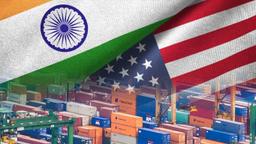
Just as Japan, Europe, Malaysia, and Indonesia uphold their standards, India’s QCO is aligned with WTO norms. It is designed for fairness and environmental responsibility, not as a hurdle to trade, but as a global standard-bearer that prioritises human and ecological well-being.
Empowering Every Consumer
The true value of the QCO will be realised when it empowers the smallest stakeholders as much as the largest. This requires:
Ensuring every steel batch has a traceable, QR-coded Mill Test Certificate (MTC)
BIS registration at every link in the supply chain
Expanding QCO to all steel-intensive goods, especially those vital to MSMEs, to secure both quality and opportunity in Indian manufacturing
In an era defined by global supply chains and digital scrutiny, pursuing uncompromising quality is patriotic and pragmatic. The QCO is more than a compliance tool; India pledges to uphold safety, reliability, and world-class standards, a signal to the world that Indian industry stands ready to lead with excellence and integrity.
Originally published on BUSINESSWORLD




































.jpg&w=256&q=75)




































.jpg&w=256&q=75)












.png&w=256&q=75)