‘Zero For Zero’ Tariff Strategy: India’s Green Steel Industry At Crossroads
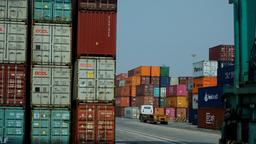
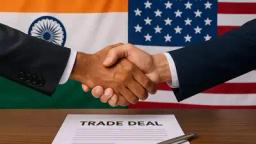
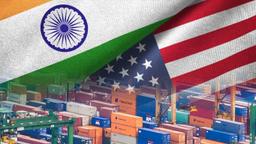
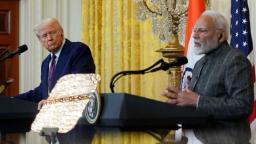
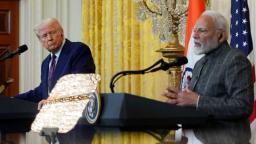
India should consider proposing a ‘zero for zero tariff strategy’ to the United States, identifying key goods for tariff elimination on a reciprocal basis, without the complications of a formal trade agreement, suggests a February report by the Global Trade Research Initiative (GTRI), a Delhi-based think tank.
GTRI emphasised that this alternative approach could help India avoid making “difficult concessions” in a full-scale Free Trade Agreement (FTA). It recommended that Indian policymakers draft a list of products, excluding most agricultural goods and without harming domestic industry, to be shared with US authorities before April — ahead of Washington’s own reciprocal tariff announcements.
“If accepted, the strategy could effectively function as a quick goods FTA,” said the GTRI report. “It may ensure that US reciprocal tariffs remain minimal or even zero for Indian exports.”
A Defining Moment for the Steel Sector
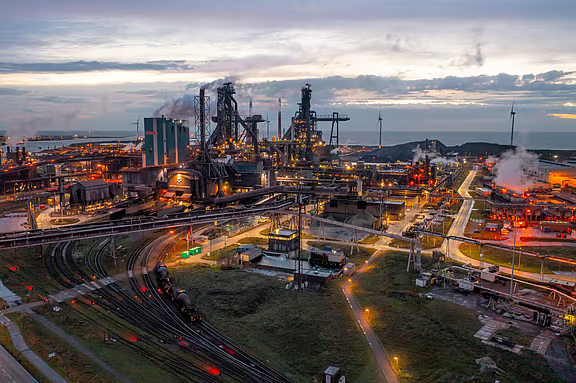
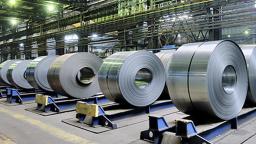
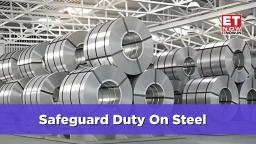
The proposed tariff strategy comes at a time when the global steel industry is undergoing a structural shift. Trade experts and industry leaders warn that India’s steel manufacturers face a challenging landscape amid growing climate-aligned trade norms and the rise of subsidised green steel from advanced economies.
“Zero for Zero” agreements are both an opportunity and a test for Indian steelmakers, said Ankush Sheth, Partner at Vector Consulting Group. “They simplify access to foreign markets but also open Indian markets to intensified competition from countries with heavily subsidised green steel production.”
Sheth cautioned that Indian green steel, currently 20–30% costlier than conventional steel, would struggle against subsidised imports unless domestic policies address this imbalance. With green steel production in India costing Rs 55,000–Rs 65,000 per tonne, versus Rs 45,000–Rs 50,000 for traditional methods, a level playing field remains elusive.
Carbon Barriers and Competitive Imbalances
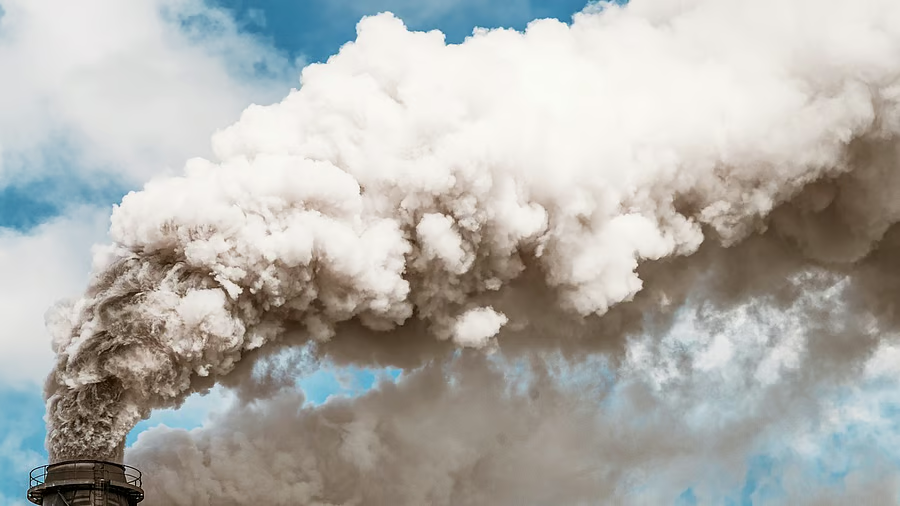
Carbon pricing and emissions standards are emerging as key hurdles. According to Niladri B, Partner at Grant Thornton Bharat, over 40% of India’s steel exports go to the EU and US — markets with stringent climate standards. The EU’s Carbon Border Adjustment Mechanism (CBAM), for instance, could increase the cost of Indian steel exports by over 16%, based on 2022 price levels.
“Depending on the carbon intensity cut-offs set by the US and EU, Indian exports could face tariff disadvantages,” Niladri said. “This could immediately impact about 5 million tonnes of Indian steel exports and shift trade flows towards lower-emission producers like the US and EU themselves.”
To counter this, he recommends creating a 10 MTPA (million tonnes per annum) low-carbon capacity, driven by green power and steel scrap remelting, dedicated to carbon-sensitive export markets. “This would allow India to ring-fence green steel production and meet international carbon commitments post-FY26.”
Strategic Policy Support Essential
Industry voices are unanimous: without urgent policy action and green transition investments, India risks falling behind.
“India’s ability to navigate global trade and maintain domestic competitiveness lies in collaborative policymaking,” said Parmod Sagar, Chairman, MD & CEO of RHI Magnesita India Ltd. “Sustainability is not just a strategic choice but an essential requirement for long-term success under Make-in-India.”
Echoing the call for collaboration, Sunil Kharbanda, Co-founder and COO of Trezix, said, “Green steel is at the heart of this trade transformation. Indian manufacturers risk losing market share if policy and investment don’t catch up. The Zero for Zero framework is not just a trade agreement — it’s a strategic litmus test for India’s industrial future.”
Policy Levers for a Green Steel Future
To meet this challenge, the government has launched several critical schemes aimed at supporting the steel sector’s green transition. The National Green Hydrogen Mission has earmarked Rs 455 crore for pilot projects in the steel industry until FY 2029-30, focusing on the use of green hydrogen for Direct Reduced Iron (DRI) production.
Complementing this, the Production Linked Incentive (PLI) Scheme for Speciality Steel, with an outlay of Rs 6,322 crore, aims to enhance domestic manufacturing of greener, value-added steel. Additionally, the Green Steel Taxonomy provides a clear framework to define and categorise low-emission steel, helping align India’s standards with global sustainability benchmarks.
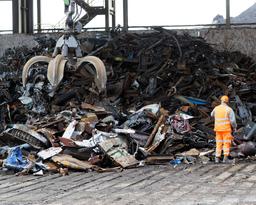
To bolster these efforts, policies such as the Steel Scrap Recycling Policy and the National Solar Mission promote the use of recycled materials and renewable energy, both of which are essential for lowering the carbon footprint of steel production.
Additional Steps Recommended
However, experts argue that while current initiatives are commendable, India must take additional steps to accelerate its green steel transition. One key recommendation is to implement public procurement mandates that prioritise the use of green steel in large-scale infrastructure projects, thereby creating consistent demand and market pull. Introducing domestic carbon pricing mechanisms is also crucial to level the playing field between imported and domestically produced green steel, ensuring competitiveness in global trade.
Moreover, substantial financial support—through viability gap funding, carbon contracts for difference (CCfDs), and large-scale R&D grants—is essential to de-risk investments and drive innovation in low-emission technologies. Equally important is the development of robust infrastructure for green hydrogen production and expanded renewable energy capacity, both of which are foundational to enabling the scale-up of clean steelmaking processes in the country.
A Call for Urgency and Vision
“The elimination of tariffs levels the playing field on paper, but real-world competition will be skewed unless India acts now,” said Nikhil Mansukhani, Managing Director of MAN Industries (India) Ltd. “Targeted incentives, ESG-aligned certification, and robust financing will be key. We must move with vision, urgency, and coordination.”
Mansukhani noted that MAN Industries is proactively embracing sustainability. “The global demand for climate-resilient infrastructure is real. India has the talent and scale to lead — but the time to act is today.”
India’s proposed Zero for Zero strategy could help strengthen its global trade standing while bypassing lengthy FTA negotiations. However, the nation’s steel industry must simultaneously prepare for a greener and more competitive future.
Balancing tariff advantages with sustainability commitments will require bold policy support, strategic investments, and seamless industry-government collaboration — especially if India intends to not only participate in, but lead, the next chapter of global green trade.
Originally published on BUSINESSWORLD



























.jpg&w=256&q=75)
























.jpg&w=256&q=75)









.png&w=256&q=75)