US Expands Steel, Aluminium Tariffs To Over 400 Imported Products
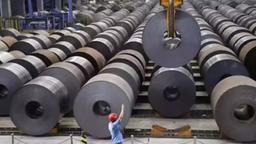
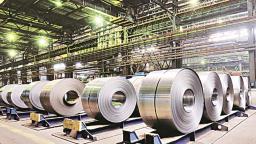
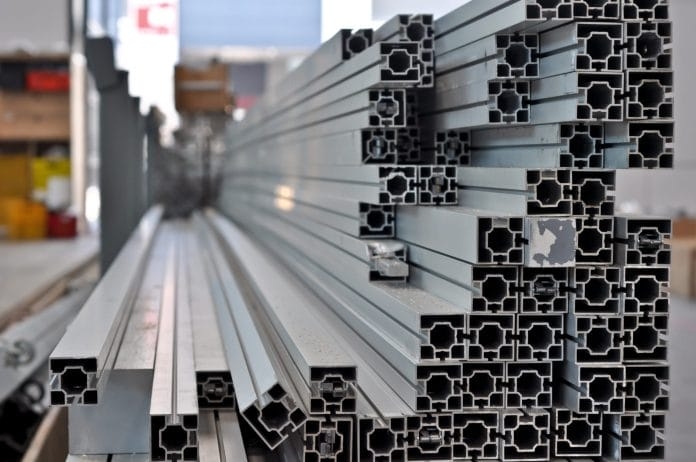
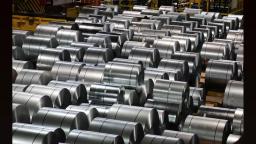
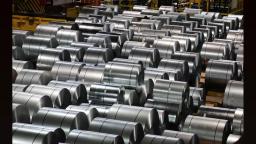
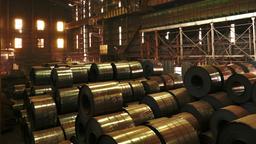
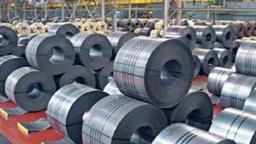
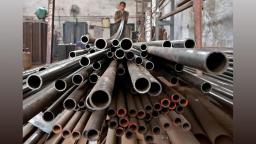
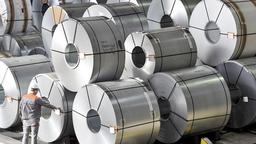
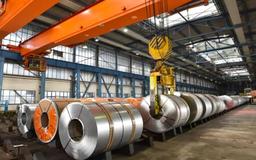
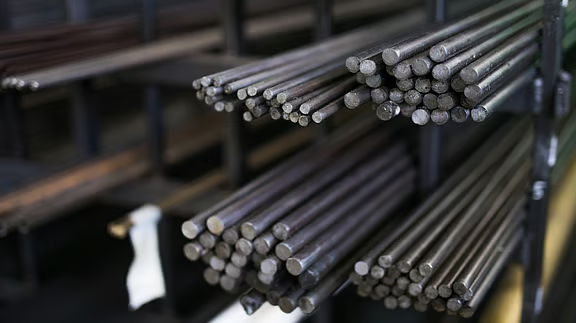
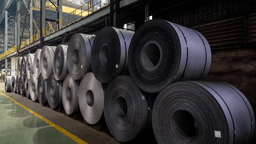
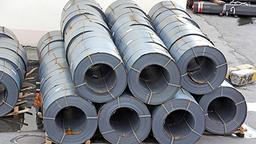
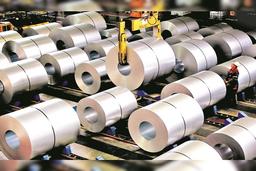
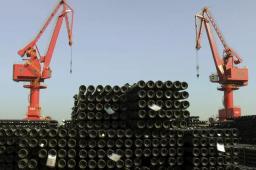
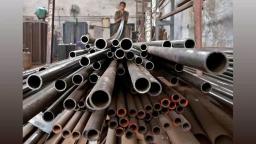
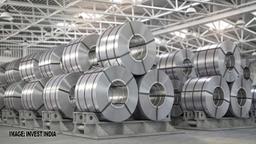
The US Commerce Department has announced sweeping tariff hikes on more than 400 steel- and aluminium-related products, a move that will affect imports ranging from wind turbines and bulldozers to railcars, appliances, motorcycles, and marine engines.
The updated measure places a 50% tariff on the steel and aluminium content of the affected products, in addition to existing country-based duties on non-metal components. In total, 407 product categories have been added to the list of so-called “derivative” steel and aluminium products.
According to Evercore ISI, the expanded tariffs cover more than US$200 billion worth of imports in 2024 and could increase the overall effective tariff rate by about one percentage point.
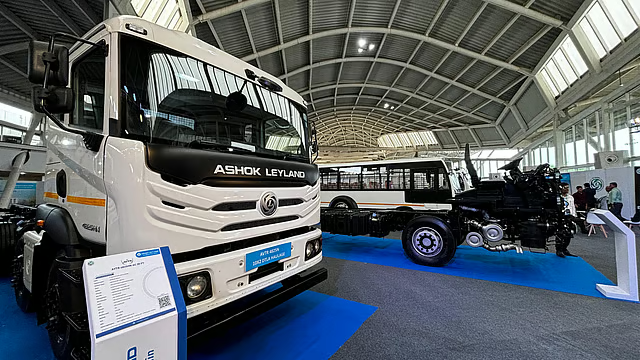
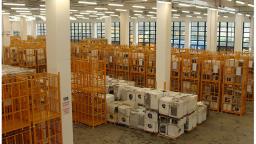
The new list also includes parts for automotive exhaust systems, electrical steel used in electric vehicles, and components for buses and air conditioners, as well as everyday items such as refrigerators, freezers, dryers, compressors, pumps, and even aerosol cans used in cosmetics and personal care products.
A coalition of foreign carmakers had lobbied against including EV parts, arguing that US production capacity cannot meet current demand. Tesla also objected, warning there was no domestic output of the specialised steel required for EV drive units and wind turbines, but its request was rejected.
US steelmakers, including Cleveland-Cliffs and Nucor, had petitioned for broader coverage, pressing the government to close loopholes that allowed imports of parts and derivative products.
“Today’s action expands the reach of the steel and aluminium tariffs and shuts down avenues for circumvention – supporting the continued revitalisation of the American steel and aluminium industries,” said Under Secretary of Commerce for Industry and Security Jeffrey Kessler.
The tariffs, which take immediate effect, mark one of the most extensive expansions of the metal duties since their initial introduction.
Originally published on BUSINESS TODAY

























































.jpg&w=256&q=75)




















































.jpg&w=256&q=75)



























.png&w=256&q=75)